


Want Job Offers Delivered
Directly to Your Inbox?
Thank you! Your submission has been received!
Oops! Something went wrong while submitting the form.
Empowering Medical Professionals with the Right Opportinities and lowest fees
If you’re a doctor thinking about moving to the UAE in 2027, one of the first questions you’re probably asking is simple:
Will there actually be demand for my specialty?
The short answer is that the UAE healthcare market is still growing — but the opportunities won’t be the same across every specialty.
Dubai and Abu Dhabi continue to expand healthcare capacity, while hospitals are becoming increasingly specialised. At the same time, population growth, chronic disease, medical tourism and changing patient needs are shaping the types of doctors healthcare providers will need over the coming years. Official workforce planning in Dubai already points to gaps across several specialties through 2033.
So, where could we see some of the strongest opportunities?
Pediatrics continues to be an important area of healthcare demand, but the interesting part for international doctors is what is happening within the specialty.
Hospitals aren't only looking for general pediatricians. As larger healthcare groups develop more specialised pediatric services, doctors with subspecialty experience can become particularly relevant — from pediatric gastroenterology and cardiology to neurology and other complex areas of care.
For experienced pediatric specialists considering the UAE, this is an area worth watching.
Critical care remains one of the areas where Dubai's healthcare planning identifies future workforce needs.
These are also roles where experience matters enormously. Hospitals aren't simply looking for someone with the right title on their CV. They may look closely at the type of hospital you've worked in, your case exposure, procedures, qualifications and the level of responsibility you've held.
That distinction is important for doctors considering a move.
Diabetes and other chronic conditions remain major healthcare priorities in the UAE, making endocrinology particularly relevant to the country's future healthcare needs.
Dubai's workforce planning identifies endocrinology among specialties with projected workforce gaps.
For endocrinologists, especially those with significant experience in diabetes, metabolic disorders and multidisciplinary care, the UAE is a market worth following closely.
Mental healthcare has received significantly more attention across the UAE in recent years.
As services expand, demand isn't limited to general psychiatry. Hospitals and specialist centres increasingly require expertise across different patient groups and areas of mental healthcare.
Mental health is also among the disciplines highlighted in healthcare capacity planning in both Dubai and Abu Dhabi.
Respiratory medicine is another specialty appearing in Dubai's projected workforce gaps through 2033.
For experienced pulmonologists, particularly those comfortable managing complex respiratory disease and working within multidisciplinary hospital environments, this could translate into interesting opportunities as healthcare capacity grows.
Renal medicine is another area to watch.
The need for long-term management of chronic kidney disease, dialysis and complex medical patients means nephrologists remain an important part of hospital-based care.
Dubai's current healthcare capacity planning also identifies renal medicine among areas with projected specialist workforce gaps.
Highly specialised fields can sometimes be overlooked when people talk about "medical jobs in the UAE."
Hematology is a good example.
As hospitals expand complex and tertiary-level services, the need for physicians capable of managing more specialised cases grows alongside them. Hematology appears among the specialist workforce gaps identified in Dubai's current capacity planning.
These are smaller specialties compared with areas such as internal medicine or pediatrics, but that doesn't make them less important.
Dubai's workforce projections identify infectious diseases and immunology among areas where additional specialist capacity may be needed.
For doctors working in highly specialised fields, however, opportunities can be concentrated within particular hospitals rather than spread evenly across the market.
Not every opportunity will come from highly specialised medicine.
As the UAE's population grows, strong primary care becomes increasingly important — particularly for prevention, early diagnosis and long-term management of chronic disease.
Abu Dhabi's healthcare capacity planning has also highlighted primary care as an important area of future healthcare need.
Surgery is harder to put into one category.
Demand for an orthopaedic surgeon can look completely different from demand for an ENT surgeon, urologist or general surgeon.
That's why international doctors should be careful when they hear broad statements such as "surgeons are in demand in the UAE."
The real question is:
Which surgeons, with which experience, and for which hospitals?
Abu Dhabi's healthcare planning has previously identified areas including orthopaedics, ENT, urology and gynaecology among specialties relevant to future capacity needs.
Seeing your specialty on a shortage or demand list does not mean getting a job will automatically be easy.
This is probably one of the biggest misconceptions we see among doctors considering the UAE.
A hospital can need more specialists and still be extremely selective about whom it hires.
Your qualifications matter. So does your licensing eligibility. But hospitals may also look at where you trained, the hospitals you've worked for, your clinical volume, subspecialty experience, procedures, seniority and whether your experience fits the exact service they're trying to build.
Two doctors with the same specialty and similar years of experience can therefore have very different experiences in the UAE job market.
And sometimes, being rejected doesn't necessarily mean you're underqualified.
It may simply mean you weren't the right fit for that particular vacancy.
For many experienced international doctors, the UAE will continue to offer interesting career opportunities.
But the market is becoming more mature — and more selective.
The doctors who navigate it successfully will need more than an impressive CV. Understanding where your specialty is needed, what professional title you're eligible for, how UAE hospitals assess international experience and where your particular background fits can make a significant difference.
At Stafmed, we work with doctors exploring career opportunities across the UAE and help connect experienced medical professionals with roles that match their background and expertise.
Considering your next career move in the UAE?
Explore current opportunities here

If you are a doctor considering your next move, you have probably asked yourself a simple but important question lately: is it still worth relocating to the UAE given everything happening globally?

This opportunity isn’t just about money; the city promises a unique mix of professional prospects and an enviable lifestyle.

The United Arab Emirates (UAE) is known for its attractive tax policies, making it one of the most desirable destinations for professionals, including doctors.

A UAE golden visa is provided by the federal authority to people who match its requirements.

Dubai has set itself as the world’s most innovative global city, recognised for its strategic location, economic strength and luxurious lifestyle.

Relocating to Dubai or Abu Dhabi as a medical professional offers far more than a career opportunity.
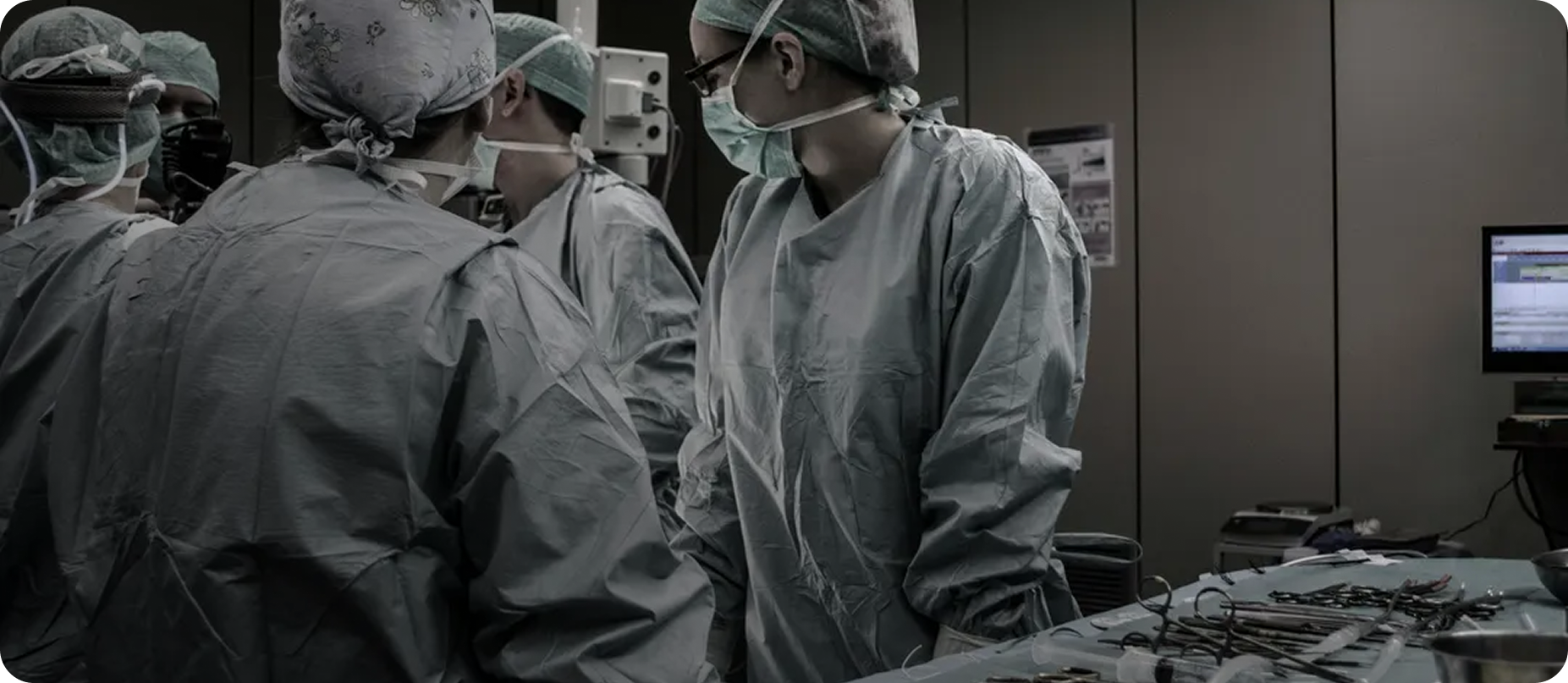
This guide walks you through everything you need to know about obtaining a medical license in Dubai, including eligibility requirements, documentation, licensing exams, and work visa procedures.

In this article, we’ll uncover the most common mistakes applicants make when obtaining their UAE medical license. By understanding these pitfalls, you can avoid unnecessary delays, streamline the process, and secure your license with ease.

If you’re a doctor thinking about moving to the UAE in 2027, one of the first questions you’re probably asking is simple:

The medical sector in the UAE is the name of advanced health care, with a strong focus on technological advancement and great infrastructure. In this article the current landscape of the medical sector in the UAE along with the best career opportunities for you will be revealed.


